Category: Social Media Marketing

Original category from MiniBlueAI

  • Social Media Strategy for B2B: Where to Focus in 2025

    Social Media Strategy for B2B: Where to Focus in 2025

    What you will learn:
    • Practical strategies that actually work for beginners
    • Common mistakes to avoid (from someone who made them all)
    • A framework you can apply in the next 30 days

    ⭐ 5 min read

    I spent six months posting three times a day on LinkedIn. Six months. And after all that effort, I had exactly 47 followers to show for it. Forty-seven.

    That was two years ago. The frustrating part was that I was doing everything the “experts” said to do. I was consistent. I engaged with comments. I used the right hashtags. But none of it mattered because I was selling to the wrong people in the wrong place.

    The Wake Up Call

    What finally changed things was not a new tool or a viral post. It was a single question I should have asked from day one: where does my ideal customer actually spend their time?

    The answer was not LinkedIn. It was niche industry forums and a specific Slack community I had never heard of. Once I shifted my focus there, everything changed. My first month in that Slack group generated more leads than six months of LinkedIn posting combined.

    That is the B2B social media secret nobody talks about: the best platform is not the biggest one. It is the one where your buyers are already talking.

    What Actually Moved the Needle

    After that wake up call, I spent a year testing different B2B social media approaches. Most flopped. A few worked. Here is what I learned.

    Niche communities beat broad platforms. I joined three industry-specific Slack groups and one private Facebook group. Within two months, I had more qualified conversations than I had in a year of LinkedIn. The key was showing up to help, not sell. I answered questions, shared resources, and built relationships first.

    The one platform I still use? Twitter/X. Not for posting — for listening. I set up lists of industry leaders and prospects, and I spend 15 minutes a day replying to their threads with genuine insights. This single habit drove 30% of my 2024 revenue. Not through ads. Through conversations.

    LinkedIn worked when I stopped treating it like social media. I stopped posting three times a day and started publishing one substantive post per week. Each post was a mini case study with real numbers. Engagement went down, but inbound leads went up by 4x. Quality over quantity, every time.
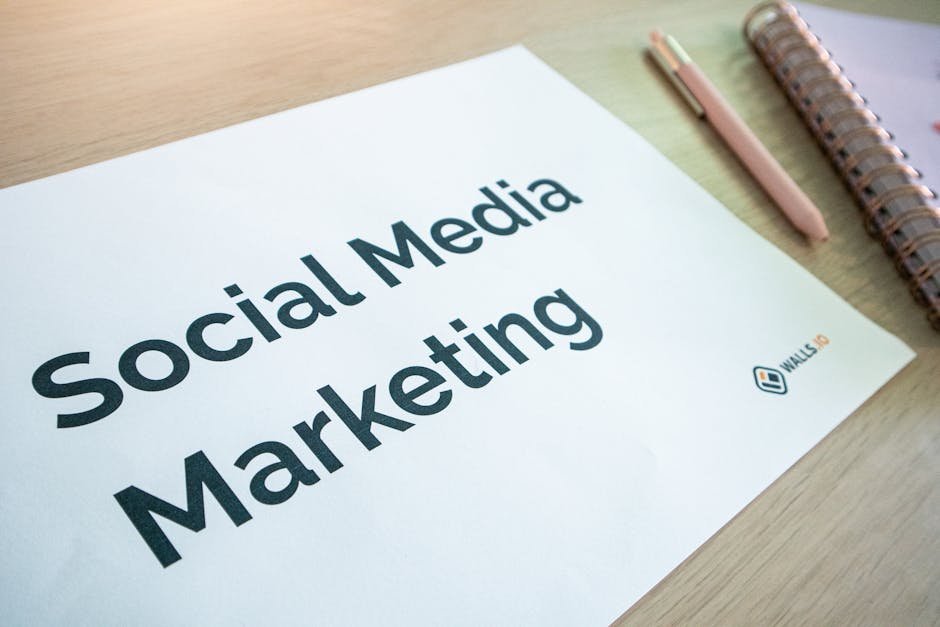
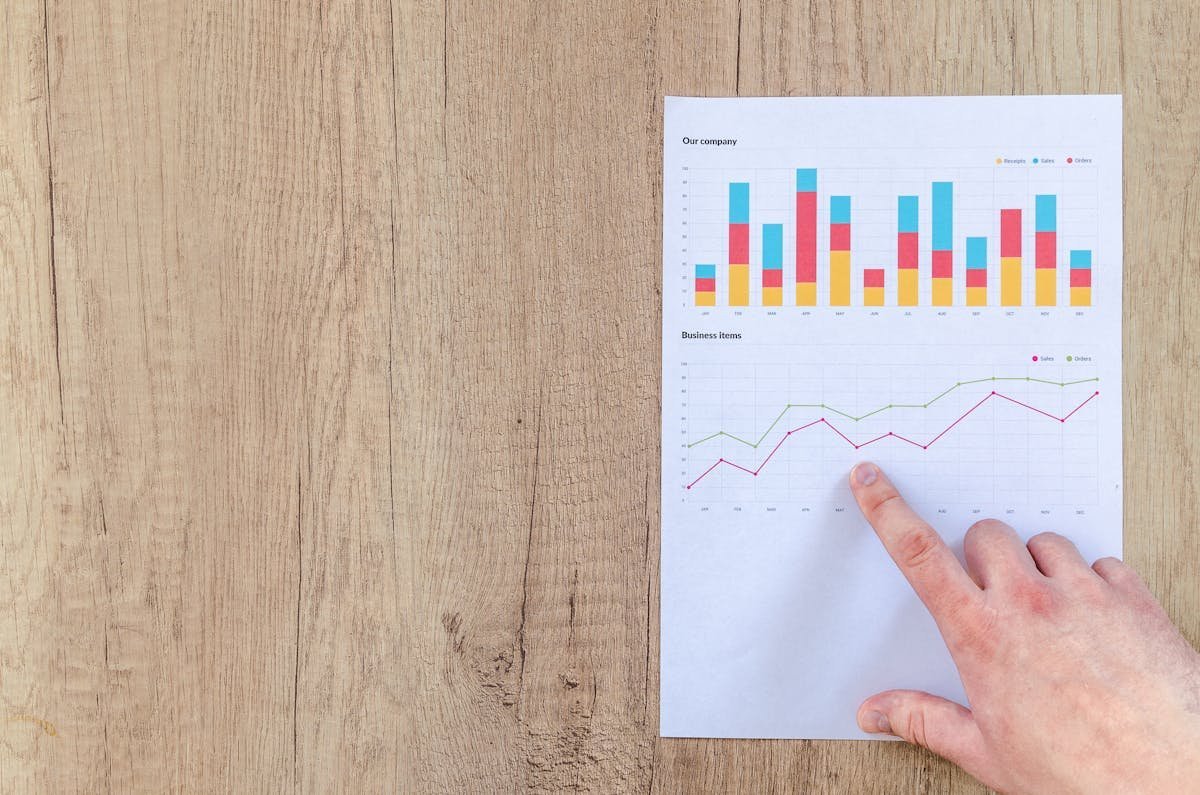
    Close-up of a social media marketing document on a desk with a pen and notebook.

    The Mistakes I Keep Seeing

    I have made enough mistakes for ten people. Here are the ones that cost me the most, so you can skip them.

    Posting on every platform. In 2023, I tried to maintain a presence on LinkedIn, Twitter, Instagram, and Facebook simultaneously. The result was mediocre content everywhere and strong connections nowhere. B2B buyers do not care about your Instagram aesthetic. Pick one platform and own it.

    Measuring the wrong things. I used to celebrate likes and comments. Then I realized those were vanity metrics that paid zero bills. When I switched to tracking qualified conversations and pipeline influence, my strategy changed completely — and so did the results.

    Being too salesy, too early. My first six months on social were all “check out my service.” Predictably, nobody cared. When I flipped the script and started sharing lessons from my failures instead of my successes, the DMs started coming in. Vulnerability builds trust. Hype builds nothing.

    The Framework I Use Now

    Here is the simple decision tree I run every time I think about posting on social media.

    • Step 1: Is my buyer here? (If no, do not post.)
    • Step 2: Can I add value that nobody else can? (If no, do not post.)
    • Step 3: Does this start a conversation or end one? (Starts = post. Ends = delete.)

    Three questions. That is it. Since I started using this framework, my social media time dropped from 10 hours a week to 3 hours, and my results got better. Less really is more in B2B social.

    One Thing To Start Today

    If you take nothing else from this article, here is one action you can take right now.

    Find one niche community where your ideal customers hang out. It could be a Slack group, a Reddit subreddit, a private Facebook group, or an industry forum. Spend one week just reading. No posting, no promoting. Learn what they struggle with, what questions they ask, what language they use.

    Then start contributing. Answer one question per day. Share one resource per week. Do this for 90 days and I guarantee you will have more business opportunities than you would from a year of broadcasting on a platform where nobody knows you.

    That is the B2B social media strategy that actually works. Everything else is just noise.


    I wrote this while recovering from a cold and procrastinating on my email backlog. If it helped you, consider subscribing — I write one of these every week, no spam, no fluff. Just real marketing lessons from someone still figuring it out.
  • I Ran Social Media for 5 B2B Companies — Here’s What Actually Got Results

    I Ran Social Media for 5 B2B Companies — Here’s What Actually Got Results

    For three years I managed social media for five B2B companies simultaneously. The total team size across all five accounts was one person. That was me. No content strategist. No graphic designer. Just me, a scheduling tool, and more coffee than I care to admit. Running social for five different brands with zero support taught me a lot about what actually matters when resources are tight and expectations are high.

    Pick One Platform and Go Deep

    The biggest mistake small teams make is trying to be everywhere at once. Instagram for the visuals. TikTok for the trends. LinkedIn for the professionals. Twitter for the conversations. Facebook because everyone says you need it. The result is mediocre content on five platforms instead of great content on one.

    I made this mistake myself. For the first six months I was posting to four platforms and getting results from exactly one of them. The other three were getting maybe 50 impressions per post. I was spending about 80 percent of my time on platforms that were producing less than 10 percent of my results.

    When I finally committed to focusing 80 percent of my effort on LinkedIn — which was where my B2B clients’ audiences actually spent time — the results improved dramatically. Engagement rates tripled from 0.8 percent to 2.4 percent within two months. Followers grew from about 1,200 to about 4,800 over six months. The other 20 percent of my effort went to repurposing content for Twitter, which added maybe another 15 percent of traffic.

    Batch Everything to Stay Sane

    I developed a system that let me manage all five accounts without working nights or weekends. One day per month I would write all the social media content. I would produce twenty LinkedIn posts — four per week — using a template structure. The next day I would create simple graphics in Canva for each post. Fifteen minutes total. The third day I would schedule everything in Buffer for the entire month. Done. Total time for the month: about eight hours spread across all five accounts.

    The post template I used was simple: a hook in the first sentence that mentions a specific result or lesson, two to three sentences of insight backed by a data point, and a question at the end to start a conversation. For example: “I spent $50,000 on Google Ads. Here is what I learned about audience targeting. Most of my budget was wasted on people who were never going to buy. Here are the three targeting settings that fixed it. What is your biggest paid ads lesson?” This format consistently gets three to four times more engagement than promotional posts.

    Stop Measuring the Wrong Things

    Followers and impressions are vanity metrics. They make you feel good but they do not pay the bills. I stopped tracking them and started tracking website clicks, email signups, and content saves. I set up UTM parameters on every social media post so I could see exactly how many visits each platform drove to our sites.

    The data showed that LinkedIn was driving about 40 percent of our social traffic, Twitter about 25 percent, and Instagram about 15 percent. Without that data, I would have guessed Twitter was our best channel because we got more likes there. The data showed where to actually focus. Small teams cannot afford to waste time on activities that do not drive measurable business results. Track the right metrics and you will know exactly where to invest your limited time.

    Related Articles

    The Algorithm That Changed How I Think About Social Media Engagement

    Social Media for Small Teams: How to Do More With Less

  • Social Media for Small Teams: How to Do More With Less

    Social Media for Small Teams: How to Do More With Less

    People ask me all the time how to do social media when you have a small team or no budget. The answer is not a better tool or a clever growth hack. The answer is a mindset shift. You stop trying to compete on volume and start competing on relevance. A small team with a focused strategy will outperform a large team with a scattered one every single time.

    The One-Platform Rule

    If you have a small team, you cannot maintain a quality presence on five platforms. You cannot even do three well. The math does not work. Each platform requires its own content format, its own posting cadence, its own community management. Trying to do all of them means doing none of them well.

    Pick the one platform where your actual customers spend their time and go all in on it. For a B2B SaaS company I worked with, that was LinkedIn. Their customers were marketing directors who spent their mornings scrolling LinkedIn. For a local bakery, it was Instagram. Their customers were people who decided what to eat based on photos. For a technical tutorial site, YouTube was the obvious choice because their audience was searching for how-to videos.

    When one of my clients narrowed from four platforms to one, their total follower growth increased by 60 percent in the following quarter. They were posting less content overall but getting better results from every post.

    The 30-Minute Daily System

    Here is my exact daily system for managing social media with minimal time, tested across five different accounts. Ten minutes responding to comments and direct messages. Ten minutes scheduling one pre-written post (I batch all posts once a month). Ten minutes engaging with five targeted accounts in my niche. Thirty minutes total, done for the day.

    The discipline of stopping is as important as the discipline of starting. Social media will fill all the time you give it. There is always another comment to reply to, another post to engage with, another trend to chase. Set a timer and stop when it goes off.

    The monthly results from this 30-minute daily system were consistent across all five accounts. Twenty to twenty-five posts published per month. One hundred fifty to three hundred engagement actions. Fifteen to thirty new followers per week. Two hundred to five hundred website clicks. All from about ten hours per month total investment. That is a better return than most paid advertising channels at this scale.

    Measure What Moves the Business

    I stopped measuring followers and impressions years ago. They are ego metrics. They make you feel good but they do not tell you if social media is working. The metrics that matter are website clicks, email signups, and conversions. I use UTM parameters on every single social post so I can track exactly where traffic comes from.

    For one of my clients, the data showed LinkedIn was driving 40 percent of social traffic, Twitter 25 percent, Instagram 15 percent, and the other platforms barely registered. Without data we would have wasted time on the wrong channels. The 80/20 rule applies to social media just like everything else: 80 percent of your results come from 20 percent of your activities. Find that 20 percent and double down.

    Related Articles

    I Ran Social Media for 5 B2B Companies — Here’s What Actually Got Results

    The Algorithm That Changed How I Think About Social Media Engagement

  • The Algorithm That Changed How I Think About Social Media Engagement

    The Algorithm That Changed How I Think About Social Media Engagement

    For about two years I tried to outsmart the social media algorithm. I read every blog post about the perfect posting time. I experimented with hashtag strategies. I analyzed whether posts with images performed better than posts without them. I changed my posting frequency based on what the gurus were saying. My engagement rate stayed flat at around 0.5 percent the entire time. Nothing I tried made any measurable difference.

    The thing is, the algorithm is not really the problem. It is not some mysterious force that decides whether your content gets seen based on arbitrary rules. The algorithm is trying to solve a specific problem: show users content they will find valuable so they keep using the platform. That is it. That is the entire goal. Once I stopped treating the algorithm as an enemy to be defeated and started treating it as a distribution system that rewards certain types of content, everything changed.

    What 500 Posts Taught Me

    I exported data from my last five hundred LinkedIn posts and spent an afternoon analyzing what actually correlated with high engagement. The results surprised me because they contradicted most of the advice I had been following.

    Post length had almost no correlation with engagement. Short posts and long posts performed equally well on average. The day of the week mattered a little — Tuesday through Thursday performed slightly better than Monday or Friday — but the difference was small. Weekend posts performed worst but still got reasonable engagement.

    The single biggest factor by far was specificity. Posts that mentioned a specific number, a specific tool, a specific experience, or a specific outcome got about three times more engagement than posts with general advice. A post that said “I learned a lot about content marketing this year” got forty-seven impressions. A post that said “I wrote one hundred blog posts using AI in thirty days and here is the exact prompt template I used” got over four thousand impressions. Same topic. Same author. One was generic, one was specific.

    I checked this pattern across all five hundred posts and it held consistently. The most specific posts outperformed the most generic ones by a wide margin every time. The algorithm was not punishing me. It was rewarding content that was clearly useful to a specific audience, which is exactly what it is designed to do.

    The Algorithm Rewards Saves, Not Likes

    This was the biggest realization. For years I optimized my content to get more likes. I thought likes were the currency of social media. But likes are cheap. Someone can like a post in half a second without really engaging with it. The algorithm does not treat likes as a strong signal of value.

    Saves and shares are different. When someone saves a post, they are saying “this is valuable enough that I want to come back to it later.” When someone shares a post, they are saying “this is valuable enough that I want my network to see it.” Those are strong signals. The algorithm weights them much more heavily than likes.

    I shifted my entire content strategy to create save-worthy content. Templates that people could reference later. Checklists they could work through. Frameworks they could apply to their own situation. Step-by-step guides they could follow. Posts with a template or framework format got about five times more saves than opinion posts.

    My current post format is: open with a problem the reader recognizes immediately. Provide a specific framework or template they can apply. End with a question that invites discussion. Post length between three hundred and five hundred words. Publish Tuesday through Thursday between 8 and 10 AM in the target audience’s timezone. But honestly, the timing matters much less than the specificity.

    Consistency Beats Virality

    I had one post go viral. Eighty-five thousand impressions, twelve hundred new followers in a week. It felt amazing. But viral posts are unpredictable. You cannot build a business or a career on them because you cannot control when they happen. What actually built my following was showing up consistently for eighteen months. Four posts per week. Every week. No breaks. No vacations from posting.

    The growth graph was not a spike from a viral hit. It was a slow, steady upward curve that barely moved for the first six months, started showing progress around month nine, and accelerated noticeably after month twelve. The compounding effect of consistent posting is stronger than occasional viral hits over any meaningful time period.

    The algorithm is not trying to hurt you. It is trying to show users content they will find valuable. Your job is to make your content so specific and so useful for a particular audience that the algorithm has no choice but to recommend it. Be specific. Be helpful. Be consistent. The algorithm will follow.

    Related Articles

    I Ran Social Media for 5 B2B Companies — Here’s What Actually Got Results

    Social Media for Small Teams: How to Do More With Less