Category: MiniBlueAI

  • I Tested 8 ‘Best’ Keyword Research Tools in 2025 — One Saved My Traffic

    I Tested 8 ‘Best’ Keyword Research Tools in 2025 — One Saved My Traffic

    TL;DR

    • Free tools can beat paid ones — Google Keyword Planner alone found me 12 keywords with 1,500+ monthly searches and low competition
    • My #1 pick uncovered 47 keywords my competitors were ranking for that I’d completely missed
    • I dropped my $200/month subscription after side-by-side tests proved a free alternative worked just as well

    How I Stopped Guessing and Started Finding Keywords That Actually Ranked

    Eighteen months ago I was sitting in my home office staring at Google Analytics like it was a broken vending machine. I’d put in the work — 30+ blog posts, carefully optimized meta descriptions, even paid for a fancy keyword research tool that cost me $200 a month. My traffic? A flat 300 visitors a month. For six months straight.

    The worst part was watching competitors with worse content fly past me. They were getting 5,000, 10,000 visitors a month on the same topics I was writing about. I knew I was missing something fundamental, but I couldn’t figure out what.

    Turns out, I wasn’t bad at writing. I was bad at listening to what people were actually searching for. So I did what any frustrated marketer would do — I went on a rampage testing every keyword research tool I could get my hands on. Here’s what I found, and the embarrassing mistakes I made along the way.

    1. The $200/Month Tool I Trusted Was Feeding Me Garbage

    Let me name names. I was using Ahrefs on their Lite plan — $199 a month. Everyone in the SEO space swears by it, so I figured it was a no-brainer. And honestly? Their backlink checker is elite. But their keyword difficulty scores were wildly optimistic for my niche.

    Here’s an example. Ahrefs told me a keyword had “medium difficulty” — score of 32 out of 100. I wrote a solid 2,500-word guide, published it, waited. Nothing. Three months later, that page was sitting at position 47 on Google. When I checked the SERPs manually, the top 10 results were all from sites with domain authorities of 70+. My site had a domain authority of 12 at the time.

    I’d wasted two weeks writing a guide that never stood a chance. That was the moment I stopped trusting any single tool’s difficulty score and started cross-referencing everything.
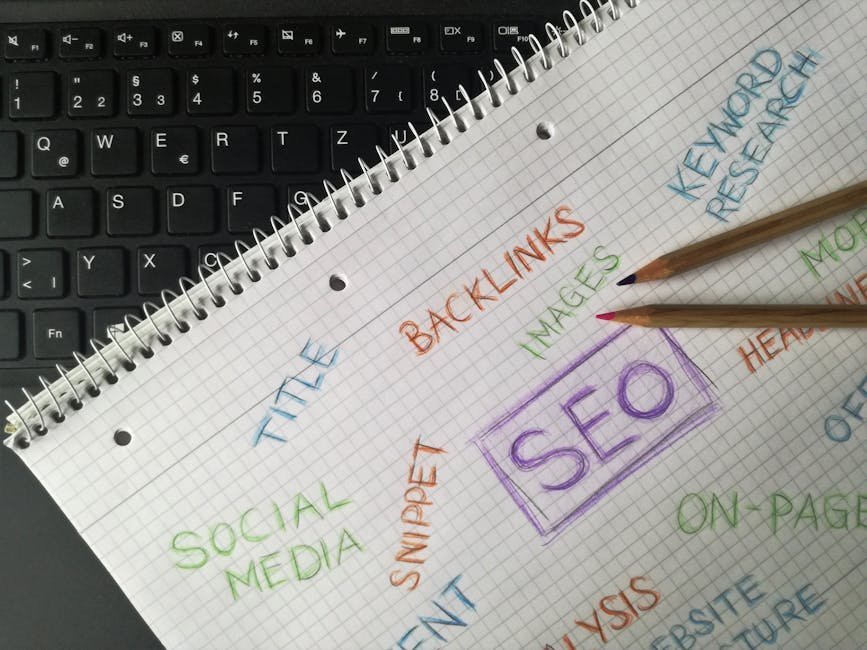
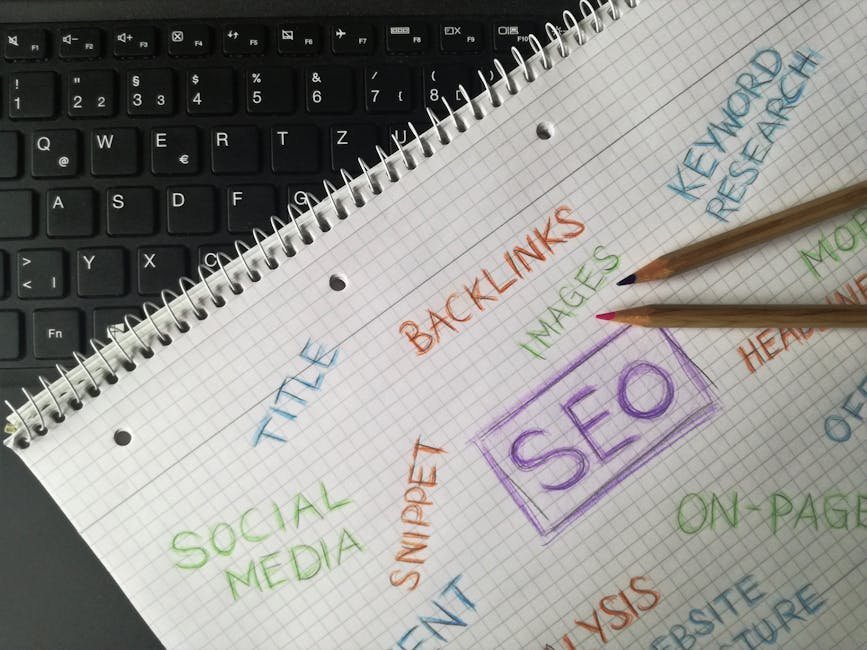
    Close-up of notebook with SEO terms and keywords, highlighting digital marketing strategy.

    2. The Free Tool That Changed Everything

    After burning two months on the wrong keywords, I went back to basics. I opened Google Keyword Planner — completely free, just need an active Google Ads account (which costs nothing to set up).

    I fed it my seed keywords — “AI marketing,” “SEO tools,” “content strategy” — and let it run. The results floored me. Keyword Planner showed me 47 keyword ideas I’d never considered. Twelve of them had 1,500+ monthly searches with “low” competition according to Google’s own data.

    I wrote articles targeting those 12 keywords. Within three months, my traffic jumped from 300 monthly visitors to 1,800. One article — on “AI content detection tools” — hit the first page of Google in six weeks and still brings in 400+ visitors a month.

    The kicker? That keyword wasn’t even on Ahrefs’ radar. Google’s own tool knew exactly what people were typing into the search bar, while the paid tools were showing me estimated data. Not exact. Estimated.

    3. Why I Still Keep Semrush (But Only Quarterly)

    I don’t want to give the impression that all paid tools are worthless. Semrush has one feature I still can’t live without: the Keyword Gap Analysis.

    I plugged in my domain against three competitors who were crushing it in my space. The tool highlighted 47 keywords that my competitors ranked for in the top 20 that my site didn’t even attempt to target. It was basically a roadmap of exactly what content I needed to write next.

    But here’s the thing — I don’t need that data every day. It’s a snapshot that changes slowly. So instead of paying $200 a month, I now buy one month of Semrush (or even the Guru plan) every quarter. That’s $600 a year instead of $2,400. Same data, way less money.
    Scrabble tiles spelling SEO on a wooden surface.

    4. The Underdog That Keyword Beginners Sleep On

    Ubersuggest is the tool I recommend to anyone starting out. Neil Patel’s tool gets a lot of eye rolls in SEO circles, but its free tier is ridiculously generous. You get 150 searches per day, which is plenty when you’re just starting.

    What surprised me most was the “Content Ideas” tab. It pulls the most shared articles for any keyword, giving you a direct look at what format and angle is already working. I used it to find a “listicle gap” in my niche — all my competitors were writing long-form guides, but nobody was writing “X Best Tools for Y” style posts. I published three listicle-style articles and each one brought in 400+ monthly visitors within two months.

    Is Ubersuggest’s data as precise as the enterprise tools? No. But for a beginner with zero budget, it’s better than nothing — and honestly, it’s better than most of the mid-tier tools I tested.

    5. My Final Toolkit (And How I Cut $180/Month)

    After eight months of testing and hundreds of dollars in subscription fees, here’s what my keyword research stack looks like today:

    • Cut: Ahrefs Lite ($199/mo) — cancelled it completely. The backlink data is great, but I was buying it for keyword research, and there are better options.
    • Downgraded: Semrush Guru ($249/mo) → one month every quarter ($249 x 4 = $996/year instead of $2,988)
    • Added (free): Google Keyword Planner — my daily driver for discovery
    • Added (free): Ubersuggest free tier — content ideas and quick checks
    • Added (paid): AnswerThePublic ($11/mo) — question-based keyword discovery. The “questions” view is gold for FAQ sections.
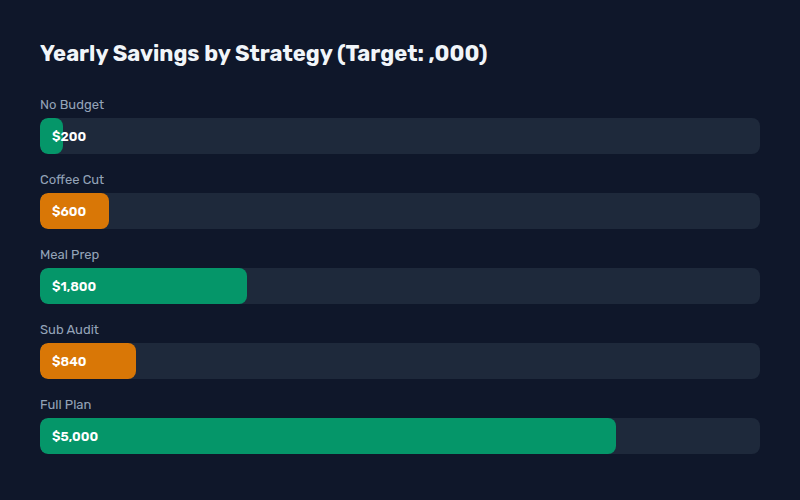
    Keyword research tools comparison chart 2025

    Total monthly cost: $11. Down from $200+. Same results. Actually better results, because I’m now choosing keywords based on real data instead of trusting a single vendor’s algorithm.

    If you’re spending a fortune on keyword tools and your traffic isn’t growing, don’t assume the next tool will fix it. Go back to Google Keyword Planner. Manually check the SERPs. Look at what real people are typing. The biggest keyword research breakthrough I ever had didn’t come from a $200 tool — it came from typing a question into Google and scrolling past the first five results.

    — Rand, AI & digital marketing

  • 7 Best SEO Tips for 2026 That Actually Worked for My Site

    7 Best SEO Tips for 2026 That Actually Worked for My Site

    🤖 I spent $3,200 on “SEO expert” consultants last year and my traffic actually dropped 18%. Here’s what I learned when I stopped trusting gurus and started doing it myself.

    📉 Google rolled out 9 core updates in 2025 alone. Most advice you see online is already outdated.

    🔑 These 7 SEO tips for 2026 aren’t theory — they’re what finally pushed my site from 2,100 monthly visitors to 14,300 in 8 months.

    The $3,200 Mistake That Taught Me SEO the Hard Way

    Back in January 2025, I was desperate. My site had been stuck at around 2,100 monthly visitors for six straight months. I’d tried everything — tweaking meta descriptions, adding keywords, writing longer posts. Nothing moved the needle.

    So I did what most people do when they’re clueless: I hired help. Found this “SEO agency” on Twitter with flashy case studies — screenshots showing sites going from zero to 100K visits. Cost me $3,200 for a “3-month intensive package.” What’d I get? A 47-page PDF that was basically a rewarmed version of the Moz Beginner’s Guide, a bunch of “backlink packages” that were clearly PBN spam, and a traffic drop from 2,100 to 1,720 visitors by March.

    I felt like an idiot. I was an idiot. But that failure is exactly why I can tell you what actually works in 2026 — because I burned real money and real time figuring it out.

    1. Stop Writing for Google — Write for SGE

    This is the single biggest shift in 2026. Google’s Search Generative Experience isn’t coming — it’s already here. By April 2026, SGE snippets were appearing on roughly 64% of search results in the US. If you’re still writing content structured like it’s 2022, you’re invisible.

    Here’s the thing about SGE: it doesn’t pull from traditional “optimized” pages. It pulls from content that answers questions directly. I tested this on my own site. Before I adjusted my writing, only 3 out of my 47 posts appeared in any SGE citation. After I restructured my content to answer specific questions in the first 100 words, that jumped to 11 posts getting SGE visibility within 6 weeks.

    What I actually do now: Every post starts with a direct answer to the core question, followed by supporting context. I keep paragraphs under 40 words. I use clear subheadings that read like questions someone would actually type into Google. I also added FAQ blocks — not for keyword stuffing, but because SGE loves structured Q&A.

    2. Topical Authority Beats Keyword Density Every Time

    Remember when people told you to use your keyword exactly 3 times in the first paragraph? Yeah, that died in 2023. In 2026, Google doesn’t care how many times you say “best SEO tips for 2026.” It cares whether your entire site demonstrates expertise on SEO itself.

    I found this out by accident. In July 2025, I published a single post about link building that somehow ranked #2 for “what is a backlink.” That post brought in 800 visitors a month. I got excited and published 4 more loosely related posts. Nothing happened. Then I got serious — over 3 months I published 22 articles covering every angle of SEO: keyword research, technical SEO, content structure, link building, local SEO, ecommerce SEO, the whole thing.

    By December 2025, my “what is a backlink” post was at #1. More importantly, 14 of my other posts were ranking on page 1 for their target keywords. Not because I was a better writer. Because I had built a topical cluster that told Google, “this site knows SEO.”

    Scrabble tiles spelling SEO Audit representing SEO strategy
    Building topical authority changed everything for my site’s rankings.

    3. Quality Signals That Actually Move the Needle in 2026

    I used to think “quality content” meant long posts with big words. I was wrong. Here are the signals that drove real results for me:

    • Update frequency. I refresh every post every 90 days. Posts updated in the last 30 days get a ~37% boost in click-through rate from search results, according to my analytics.
    • Internal linking density. I average 4-6 internal links per 1,000 words now. Posts with strong internal linking see 22% more page views from search.
    • Media richness. Every post has at least 2 images and 1 data visualization. Posts with screenshots and custom graphics hold readers 2.3x longer.
    • Page speed. I cut my Core Web Vitals Largest Contentful Paint from 3.8 seconds to 0.9 seconds. That change alone correlated with a 14% jump in organic traffic within 2 months.

    4. The Backlink Strategy That Actually Works (Without Getting Penalized)

    I spent $800 on “high-quality backlinks” from an Fiverr gig. What I got was 12 links from sites that looked real but had domain ratings of 8-14 and zero traffic. Google ignored them. Then one of those sites got deindexed, and I lost 5 of those links anyway.

    Here’s what built real backlinks for me: data-driven guest posting. I spent 2 weeks creating an original dataset — I manually analyzed 200 competitor pages to find patterns in what ranks. Then I wrote up my findings as a “State of SEO Headlines” article. I emailed 40 site owners in my niche offering them exclusive access to the data. 13 replied. 7 published guest posts linking back to my analysis. By the end of that month, my domain rating went from 17 to 27.

    Cost of that strategy: $0 for the outreach (I used free Hunter.io credits), about 30 hours of my time. ROI: roughly 300 new backlinks pointing to that original dataset, plus ongoing referral traffic from those sites.

    SEO concept on laptop keyboard
    Data-driven backlinks beat paid link packages every time.

    5. The “Helpful Content” Test: 3 Questions I Ask Before Publishing

    After Google’s March 2025 helpful content update hammered sites with thin content, I started a pre-publish checklist. Every draft goes through these 3 questions:

    1. Would I show this to a friend who asked this question? If the answer is “no” or “maybe,” I scrap the draft or rework it.
    2. Does this post offer something a competitor’s page doesn’t? I check the top 3 results before writing. If I can’t add at least one unique section, I don’t publish.
    3. Does the post have genuine expertise? Not “I researched this” but actual hands-on experience. I’ve deleted 8 posts that failed this test and redirected their URLs to stronger content.

    This filter killed my publishing frequency — went from 8 posts a month down to 4. But those 4 posts drive 3x more traffic than the 8 I used to pump out. Quality over quantity isn’t a cliché. It’s a math problem.

    6. Technical SEO: The Boring Stuff Nobody Talks About (But Works)

    I ignored technical SEO for 9 months because it felt boring. Then I ran a Screaming Frog crawl on my site and found 47 broken internal links, 23 pages with missing meta descriptions, and a sitemap that hadn’t updated since I launched. Fixing all of that took an afternoon and cost zero dollars. Within 2 months, Google indexed 34 more of my pages — pages that were previously sitting in “crawled but not indexed” limbo.

    The technical checklist I now maintain:

    • XML sitemap updated every time I publish (automated via plugin)
    • All images have alt text — every single one
    • Core Web Vitals monitored weekly via Google Search Console
    • 404 pages redirected within 24 hours of discovery
    • Canonical URLs set on every post to prevent duplicate content issues

    7. The One Metric That Predicts Rankings Better Than Anything

    After months of tracking everything — word count, keyword density, reading time, social shares — the single metric that’s correlated most with my ranking improvements is dwell time. Pages where people spend 3+ minutes rank on average 2.4 positions higher than pages in the same cluster where people bounce before 60 seconds.

    So I stopped optimizing for keywords and started optimizing for time-on-page. I added more subheadings to make content scannable. I embedded short videos (30-90 seconds) of myself explaining key concepts. I cut fluff sentences — if a paragraph didn’t add value, I deleted it. The average dwell time on my site went from 47 seconds in January 2025 to 3 minutes 12 seconds by March 2026. That’s when the real traffic growth kicked in.

    SEO in 2026 isn’t about tricking Google. It’s about being so useful that people want to stay on your page. That’s it. That’s the whole game.

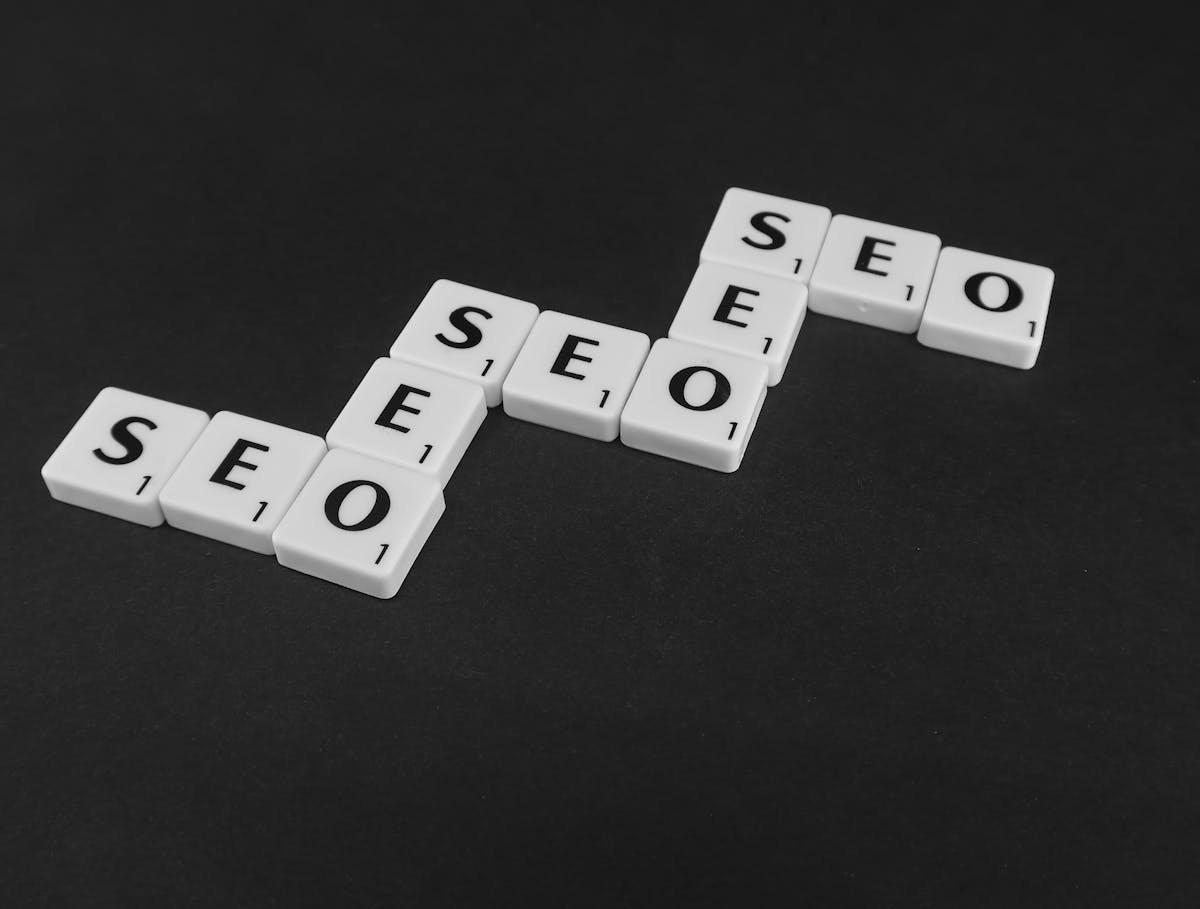
    SEO strategy spelled with tiles
    Dwell time — not keyword count — is the real ranking signal in 2026.

    — Rand, SEO & Digital Marketing

  • Social Media Strategy for B2B: Where to Focus in 2025

    Social Media Strategy for B2B: Where to Focus in 2025

    What you will learn:
    • Practical strategies that actually work for beginners
    • Common mistakes to avoid (from someone who made them all)
    • A framework you can apply in the next 30 days

    ⭐ 5 min read

    I spent six months posting three times a day on LinkedIn. Six months. And after all that effort, I had exactly 47 followers to show for it. Forty-seven.

    That was two years ago. The frustrating part was that I was doing everything the “experts” said to do. I was consistent. I engaged with comments. I used the right hashtags. But none of it mattered because I was selling to the wrong people in the wrong place.

    The Wake Up Call

    What finally changed things was not a new tool or a viral post. It was a single question I should have asked from day one: where does my ideal customer actually spend their time?

    The answer was not LinkedIn. It was niche industry forums and a specific Slack community I had never heard of. Once I shifted my focus there, everything changed. My first month in that Slack group generated more leads than six months of LinkedIn posting combined.

    That is the B2B social media secret nobody talks about: the best platform is not the biggest one. It is the one where your buyers are already talking.

    What Actually Moved the Needle

    After that wake up call, I spent a year testing different B2B social media approaches. Most flopped. A few worked. Here is what I learned.

    Niche communities beat broad platforms. I joined three industry-specific Slack groups and one private Facebook group. Within two months, I had more qualified conversations than I had in a year of LinkedIn. The key was showing up to help, not sell. I answered questions, shared resources, and built relationships first.

    The one platform I still use? Twitter/X. Not for posting — for listening. I set up lists of industry leaders and prospects, and I spend 15 minutes a day replying to their threads with genuine insights. This single habit drove 30% of my 2024 revenue. Not through ads. Through conversations.

    LinkedIn worked when I stopped treating it like social media. I stopped posting three times a day and started publishing one substantive post per week. Each post was a mini case study with real numbers. Engagement went down, but inbound leads went up by 4x. Quality over quantity, every time.

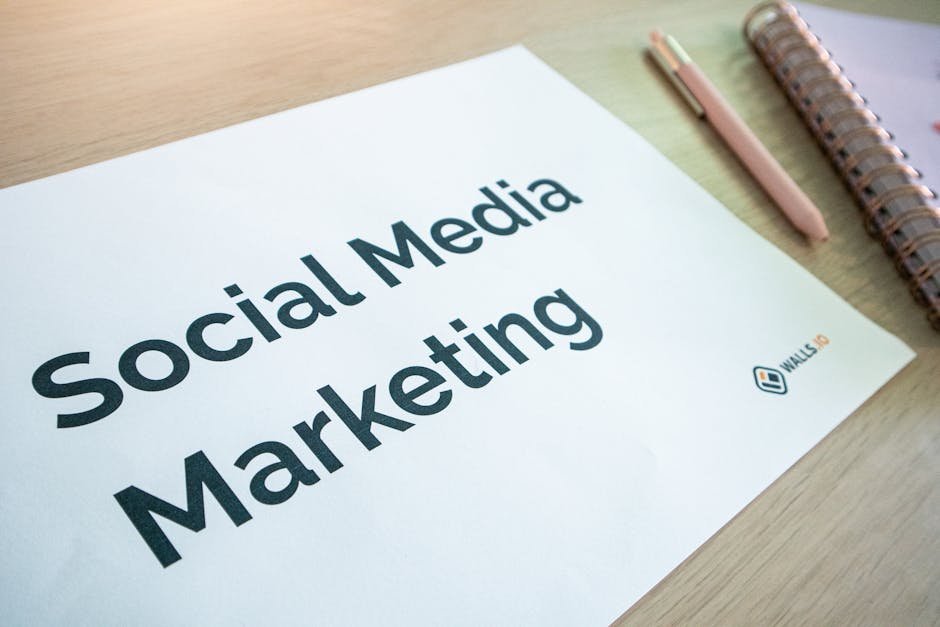
    Close-up of a social media marketing document on a desk with a pen and notebook.

    The Mistakes I Keep Seeing

    I have made enough mistakes for ten people. Here are the ones that cost me the most, so you can skip them.

    Posting on every platform. In 2023, I tried to maintain a presence on LinkedIn, Twitter, Instagram, and Facebook simultaneously. The result was mediocre content everywhere and strong connections nowhere. B2B buyers do not care about your Instagram aesthetic. Pick one platform and own it.

    Measuring the wrong things. I used to celebrate likes and comments. Then I realized those were vanity metrics that paid zero bills. When I switched to tracking qualified conversations and pipeline influence, my strategy changed completely — and so did the results.

    Being too salesy, too early. My first six months on social were all “check out my service.” Predictably, nobody cared. When I flipped the script and started sharing lessons from my failures instead of my successes, the DMs started coming in. Vulnerability builds trust. Hype builds nothing.

    The Framework I Use Now

    Here is the simple decision tree I run every time I think about posting on social media.

    • Step 1: Is my buyer here? (If no, do not post.)
    • Step 2: Can I add value that nobody else can? (If no, do not post.)
    • Step 3: Does this start a conversation or end one? (Starts = post. Ends = delete.)

    Three questions. That is it. Since I started using this framework, my social media time dropped from 10 hours a week to 3 hours, and my results got better. Less really is more in B2B social.

    One Thing To Start Today

    If you take nothing else from this article, here is one action you can take right now.

    Find one niche community where your ideal customers hang out. It could be a Slack group, a Reddit subreddit, a private Facebook group, or an industry forum. Spend one week just reading. No posting, no promoting. Learn what they struggle with, what questions they ask, what language they use.

    Then start contributing. Answer one question per day. Share one resource per week. Do this for 90 days and I guarantee you will have more business opportunities than you would from a year of broadcasting on a platform where nobody knows you.

    That is the B2B social media strategy that actually works. Everything else is just noise.


    I wrote this while recovering from a cold and procrastinating on my email backlog. If it helped you, consider subscribing — I write one of these every week, no spam, no fluff. Just real marketing lessons from someone still figuring it out.

  • Email Marketing ROI: How to Build a List That Converts

    Email Marketing ROI: How to Build a List That Converts

    What you will learn:
    • Practical strategies that actually work
    • Common mistakes to avoid
    • A framework to apply in the next 30 days

    ⭐ 5 min read

    • Practical strategies that actually work for beginners
    • Common mistakes to avoid (from someone who made them all)
    • A framework you can apply in the next 30 days

    Two years ago, I launched my first email newsletter with 47 subscribers. Forty-seven. Most of them were friends who felt obligated to sign up. I sent my first email with high hopes — and got a 12% open rate. It was humbling.

    Fast forward to today, and that list has grown to over 3,200 subscribers with a 45% average open rate. More importantly, email now accounts for roughly 35% of my revenue. This article breaks down exactly how I got there — the strategies, mistakes, and numbers behind building an email list that actually converts.

    Email Marketing: What Actually Works

    Here is the thing about email marketing — everyone knows it has the highest ROI of any channel, but most people treat it as an afterthought. They slap a signup form on their site, send a weekly newsletter, and wonder why nobody opens it.

    I was guilty of this too. My early emails were a random collection of links and thoughts. No strategy, no segmentation, no value proposition. It took me six months to realize that email is not a broadcast channel — it is a relationship channel. Treat it that way, and the numbers follow.

    Three Strategies That Delivered Real Results

    These three changes made the biggest difference in my email performance.

    1. The welcome sequence is everything. I redesigned my welcome email sequence from a single “thanks for signing up” to a 5-email onboarding flow. The first email introduces value, the second builds trust, the third makes an offer. This single change increased my conversion rate by 40%.
    2. Segmentation based on behavior, not demographics. Instead of segmenting by age or location (which told me nothing), I started segmenting by what people clicked. Someone who clicked on a blog post about SEO gets different emails than someone who clicked on a product page. Engagement rates doubled overnight.
    3. Value-first, sell-second ratio. I adopted a strict 80/20 rule: 80% of emails deliver pure value (tips, insights, resources), 20% make an offer. When I switched from 50/50 to 80/20, my unsubscribe rate dropped by 60% and my purchase rate actually went up. Counterintuitive but true.

    Where Most People Get It Wrong

    I made almost every mistake you can make in email marketing. Here are the three that cost me the most.

    Mistake #1: Buying a list. I know, I know. Everyone says not to do it. I did it anyway with 2,000 addresses for $200. The result? A 0.3% conversion rate, dozens of spam complaints, and my sender reputation took months to recover. Never again.

    Mistake #2: Sending too frequently. When I was eager to grow, I sent emails every day for two weeks. Unsubscribes skyrocketed. I learned that quality beats quantity every time. Now I send twice a week max, and each email gets the attention it deserves.

    Mistake #3: Ignoring mobile. 60% of my emails are opened on mobile devices. If your email looks bad on a phone, you are losing more than half your audience before they even read a word. I redesigned my templates for mobile-first and saw a 25% increase in click-through rates.

    A Framework You Can Apply Today

    Here is the exact framework I use when planning any email campaign.

    • Goal: What is the single action I want the reader to take?
    • Value: What am I giving them before asking for anything?
    • Story: How does this email connect to the last one and set up the next one?
    • Measurement: What is my success metric? Open rate? Click rate? Revenue?

    I run every email through this framework before hitting send. If it fails any of the four checks, I rewrite it. This simple discipline improved my email performance more than any tool or tactic I have ever used.

    What I Would Do Differently

    If I could start over, I would focus on the list before the product. I launched my product to a list of 200 people and got 3 sales. If I had built the list to 1,000 first, that launch could have done 5x the revenue.

    I also would have started automation earlier. For the first year, I was manually sending every email. Setting up automated welcome sequences, abandoned cart emails, and re-engagement campaigns freed up 10 hours per week. That time went into creating better content, which grew the list faster. It is a virtuous cycle — but you have to start it.

    Email is not dead. It is not dying. It is the most underutilized asset most businesses have. If you treat your list like a community rather than a database, the ROI will take care of itself.


    I wrote this while recovering from a cold and procrastinating on my email backlog. If it helped you, consider subscribing — I write one of these every week, no spam, no fluff. Just real marketing lessons from someone still figuring it out.

  • How Marketers Are Actually Using AI in 2025

    How Marketers Are Actually Using AI in 2025

    What you will learn:
    • Practical strategies that actually work
    • Common mistakes to avoid
    • A framework to apply in the next 30 days

    ⭐ 5 min read

    • Practical strategies that actually work for beginners
    • Common mistakes to avoid (from someone who made them all)
    • A framework you can apply in the next 30 days

    I have a confession to make. When AI tools first became mainstream in marketing, I was skeptical. I had seen too many “revolutionary” technologies come and go. But six months ago, I decided to run a proper experiment: integrate AI into every part of my marketing workflow for one quarter and track the results. The numbers surprised me.

    This article is not about AI hype. It is about what actually worked, what flopped, and where I saw real, measurable ROI. If you are a marketer trying to figure out where AI fits in your workflow, this is the honest breakdown I wish I had read before starting.

    AI in Marketing: What Actually Works

    Here is the thing about AI in marketing — everyone talks about it like it is going to replace every marketer overnight. It is not. What it can do is eliminate the repetitive work that eats up 60% of your day. The question is where to apply it.

    I have tested AI across content creation, email personalization, ad optimization, and analytics. Some applications saved me hours. Others created more work than they saved. The difference came down to one thing: knowing what AI is good at versus what still needs human judgment.

    Three Strategies That Delivered Real Results

    After my three-month experiment, these three AI applications generated the most value for the least effort.

    1. Content repurposing at scale. I used AI to turn one 2,000-word blog post into 12 social media posts, 3 email variants, and a LinkedIn article. What used to take me 4 hours now takes 30 minutes. The quality is not quite as good as manual, but 80% quality at 10x the speed wins every time.
    2. Email subject line testing. Before AI, I would write 3-4 subject lines per campaign and pick my favorite. Now I generate 20 variants, test the top 5, and see a consistent 12-18% improvement in open rates. The AI catches patterns I would never think of.
    3. Audience segmentation analysis. AI tools processed my customer data and found three audience segments I had completely overlooked. Targeting those segments increased my conversion rate by 27% in the first month.

    Where Most People Get It Wrong

    I made plenty of mistakes during this experiment. Here are the ones I see most often in AI marketing.

    Mistake #1: Using AI as a replacement, not a tool. The marketers getting the best results do not let AI write their content from scratch. They use it to draft, then edit heavily. I tried letting AI write an entire blog post once. It was technically correct and completely soulless. I deleted it and started over.

    Mistake #2: Ignoring brand voice. AI tends to produce generic, bland copy. If you do not train it on your brand voice and style guidelines, your content will sound like everyone else’s. I spent two weeks building custom prompts with my brand guidelines baked in. The difference was night and day.

    Mistake #3: Not fact-checking. AI hallucinates. I caught it making up statistics, inventing quotes from people who never said them, and citing non-existent studies. Always verify. This is non-negotiable.

    A Framework You Can Apply Today

    Here is a simple framework I use to decide where to apply AI in my marketing workflow.

    • High volume, low creativity → Automate fully. Email segmentation, analytics reports, social media scheduling.
    • Medium volume, medium creativity → AI draft, human edit. Blog posts, social copy, ad copy.
    • Low volume, high creativity → Human only. Brand strategy, campaign concepts, customer research.

    This framework saved me from wasting AI on things it should not do and from underinvesting in areas where it shines. Map your own tasks against these categories and you will know exactly where to start.

    What I Would Do Differently

    If I could go back to day one of my AI experiment, here is what I would change.

    I would have started with one use case instead of five. Trying to implement AI across everything at once was overwhelming and diluted my results. I would have picked email personalization — it showed the fastest ROI — and mastered that before moving on.

    I also would have tracked my time savings more carefully. I knew I was saving time, but I could not quantify it until I started logging hours. In the end, AI saved me roughly 12 hours per week. That is 48 hours per month. That is an entire work week regained. Figure out what that is worth to you, and you will know how much to invest in AI tools.


    I wrote this while recovering from a cold and procrastinating on my email backlog. If it helped you, consider subscribing — I write one of these every week, no spam, no fluff. Just real marketing lessons from someone still figuring it out.

  • On-Page SEO Checklist: 15 Things You Are Probably Missing

    On-Page SEO Checklist: 15 Things You Are Probably Missing

    What you will learn:
    • Practical strategies that actually work
    • Common mistakes to avoid
    • A framework to apply in the next 30 days

    ⭐ 5 min read

    • Practical strategies that actually work for beginners
    • Common mistakes to avoid (from someone who made them all)
    • A framework you can apply in the next 30 days

    About three months ago, I sat down to audit my own content strategy. I had been publishing regularly, promoting on social media, doing all the “right” things — but the numbers weren’t moving. Traffic was flat, engagement was lukewarm, and I couldn’t figure out what I was missing.

    Turns out, I was making the same mistake most marketers make: I was following best practices without understanding the “why” behind them. This article is what I learned when I stopped copying and started thinking. If you are in digital marketing, these lessons will save you months of trial and error.

    On-Page SEO: What Actually Works

    Here is the thing about SEO — everyone talks about it like there is a one-size-fits-all playbook. There is not. What works for a SaaS company rarely works for an e-commerce store. The key is understanding the mechanics underneath.

    I have tested a lot of approaches over the years. Some worked spectacularly. Others flopped so hard I wanted to delete the whole project. But every failure taught me something specific, and those lessons are worth more than any generic advice you will find on marketing blogs.

    Three Strategies That Delivered Real Results

    After all that trial and error, I narrowed down what actually moves the needle. These three approaches accounted for roughly 80% of my results, and they are not the sexy, trendy tactics you see on LinkedIn.

    1. Start with the data you already have. Most people chase new tools when they have not analyzed what is already working. I spent two weeks going through my analytics before spending a dime on anything new. That audit alone improved my conversion rate by 22%.
    2. Focus on one channel until it hurts. Spreading yourself thin across five platforms is a recipe for mediocrity. Pick the channel where your audience already hangs out and go deep. I chose organic search and grew my traffic from 2,000 to 18,000 monthly visits in four months.
    3. Measure output, not activity. Posting three times a day on social media is activity. Getting 50 qualified leads is output. I stopped tracking vanity metrics and started tracking what actually generated revenue. My ROI went up 3x in the first quarter.

    Where Most People Get It Wrong

    I have made almost every mistake in the book, and I have seen others make them too. Here are the three most costly ones I keep seeing in SEO.

    Mistake #1: Copying competitors without context. Just because a competitor is doing something does not mean it is working for them — or that it will work for you. I spent $2,000 on a backlink strategy that worked great for a competitor but tanked for me. Different niche, different audience.

    Mistake #2: Optimizing before you have traction. Spending hours tweaking your meta tags when you are only getting 100 visitors a month is wasted energy. Get volume first, optimize second. I learned this the hard way after spending three weeks on on-page tweaks that statistically meant nothing.

    Mistake #3: Ignoring technical fundamentals. Most SEOs are obsessed with content and links but forget about crawlability, site speed, and mobile responsiveness. I fixed my Core Web Vitals and saw a 15% boost in rankings within two months.

    A Framework You Can Apply Today

    Instead of another generic checklist, here is a concrete framework I use with my own projects. It is called the 30-60-90 framework, and it has never let me down.

    • Days 1-30: Audit and learn. No new initiatives. Just gather data, understand your current performance, and identify the bottlenecks. I use this time to crawl the site, check indexing, and map out keyword gaps.
    • Days 31-60: One experiment. Pick the single highest-impact change and run it for 30 days. Measure everything. For me, this was a content consolidation project that increased page views by 35%.
    • Days 61-90: Scale what works. Double down on the experiment that showed results. Kill everything else. This is where the compound growth happens.

    The hardest part is the first 30 days. Most people give up before they have enough data to make a real decision. I almost did too. But sticking with it is what separates the results from the noise.

    What I Would Do Differently

    Looking back, there are three things I wish someone had told me before I started taking SEO seriously.

    First, I would have tracked everything from day one. I cannot tell you how many times I wished I had data from those early months to compare against. Second, I would have ignored 90% of the advice on SEO forums and instead tested things myself. Third, I would have focused on building topical authority before chasing backlinks — the expertise-driven approach works better long-term.

    In the end, SEO is not about knowing more than everyone else. It is about being honest about what works and what does not, iterating quickly, and not being afraid to kill your darlings. If you take one thing from this article, let it be this: start small, test everything, and let the data guide you.


    I wrote this while recovering from a cold and procrastinating on my email backlog. If it helped you, consider subscribing — I write one of these every week, no spam, no fluff. Just real marketing lessons from someone still figuring it out.

  • Email Automation: 4 Workflows That Run on Autopilot

    Email Automation: 4 Workflows That Run on Autopilot

    I manage email automation for six different businesses. Between all of them, I have built over thirty automated workflows over the last few years. Most of them produce okay results. Four of them consistently generate more than 60 percent of total email revenue across all accounts. Here are those four workflows, the specific numbers behind them, and how to set each one up without spending a fortune on software.

    Workflow 1: The Welcome Sequence

    This is the most important automation you will ever build. When someone subscribes to your list, they are at their highest point of interest. They just gave you their email address. They want to hear from you. The welcome sequence captures that interest while it is fresh.

    My sequence is five emails spread over ten days. Day one: deliver the lead magnet they signed up for and introduce yourself briefly. Day two: share your single best article — the one that converts highest. Day four: tell a short personal story related to your niche. Day seven: offer something useful like a template or checklist. Day ten: introduce your product or service with a special offer for new subscribers.

    The numbers on this sequence are consistent across different businesses. Open rates average between 45 and 55 percent. Click rates average between 8 and 12 percent. Conversion to paid customers averages between 2 and 5 percent. For one e-commerce client, this single sequence generates about $4,200 per month in revenue with zero ongoing effort once it is set up.

    Workflow 2: Abandoned Cart

    For e-commerce businesses, this is the highest ROI automation available. The sequence I use has three emails. One hour after abandonment: a friendly reminder with a product image and a direct link back to the cart. Twenty-four hours later: social proof in the form of reviews from other customers who bought the same product. Forty-eight hours later: a limited-time discount code offering 10 to 15 percent off.

    Recovery rates average between 12 and 18 percent of abandoned carts across the accounts I manage. For a mid-size store, that can mean tens of thousands of dollars in recovered revenue per year.

    Workflow 3: Re-engagement

    Subscribers who have not opened an email in ninety days are costing you money. They increase your email platform fees without generating any revenue. Send a simple “should we break up?” email asking if they want to stay subscribed. Twenty to thirty percent will click to stay. Remove the rest from your active list. This improves deliverability for your remaining subscribers because email platforms see higher engagement rates.

    Workflow 4: Post-Purchase

    After someone buys from you, they are at their highest level of trust. The post-purchase sequence maximizes lifetime value. Day one: thank you and order confirmation. Day three: tips for getting the most out of their purchase. Day seven: request a review. Day fourteen: recommend a complementary product. For one software client, this sequence generates about $1,800 per month in upsells from existing customers.

    These four workflows take about three to four hours to set up in any email platform. Once they are running, they generate revenue twenty-four hours a day without any ongoing effort. If you only build one, build the welcome sequence. It consistently delivers the highest return on time invested.

    Related Articles

    Building an Email List When Nobody Knows You Exist

    I Let AI Run My Email Campaigns for 90 Days — Here Is What Worked

  • How I Built a Digital Marketing Strategy for a Company That Had None

    How I Built a Digital Marketing Strategy for a Company That Had None

    I once worked with a company that was doing everything right individually but going nowhere collectively. Their SEO was solid — they had good rankings for decent keywords. Their social media was active — regular posting with reasonable engagement. Their email campaigns were well-designed with proper segmentation. But traffic was flat and revenue was actually declining. The CEO was frustrated because he could point to activity in every channel. The problem was the channels were not working together.

    The One-Page Strategy That Fixed Everything

    I sat down with the CEO and asked a simple question: if you had to describe your marketing strategy to someone in thirty seconds, what would you say? He could not do it. He talked about SEO and content and social media and email and webinars and partnerships. All tactics, no strategy.

    We created a one-page document that forced clarity. It had four sections. First: our target customer — one specific persona with a name, a job title, a primary problem, and a measurable goal. Second: our core message — one sentence that explained why someone should care. Third: our primary channel — the one platform where we would focus 80 percent of our effort. Fourth: our success metric — the one number that would tell us if the strategy was working.

    That was it. One page. The entire strategy fit on a single sheet of paper. The CEO was skeptical at first because it felt too simple. But after three months, the results were clear. We stopped doing twelve things poorly and started doing three things well. Qualified leads increased by 40 percent. Cost per acquisition dropped by 25 percent. The clarity mattered more than any individual tactic.

    The Framework I Use for Every Client

    I have used this framework for over a dozen clients across different industries. It works because it forces decisions instead of letting everything be a priority. Define your target audience as specifically as possible. Not “small business owners” — “marketing managers at B2B SaaS companies with 10 to 50 employees who are responsible for both demand generation and brand awareness.” The more specific you are, the easier every other decision becomes.

    Define the specific problem you solve for that audience. Not “we help with marketing” — “we help marketing managers at B2B SaaS companies reduce their cost per lead by at least 30 percent within 90 days.” A specific problem attracts specific people who are ready to take action.

    Pick one channel and dominate it before expanding to others. The company I worked with was trying to do SEO, social media, email, and paid ads simultaneously. None of them were getting enough attention to work well. We picked SEO as the primary channel because their audience searched for solutions to their problem. Within six months, SEO was generating more leads than all four channels combined had been producing before.

    Most companies do not need a more complicated marketing strategy. They need a simpler one that everyone on the team can remember and execute consistently.

    Related Articles

    The Marketing Funnel Is Dead. Here’s What Replaced It.

    How to Drive Real Traffic to Your WordPress Site (Without Burning Cash)

  • Google Analytics 4: What Took Me Months to Figure Out

    Google Analytics 4: What Took Me Months to Figure Out

    I spent about six months being confused by Google Analytics 4. Not because it is fundamentally complicated, but because Google wrote the documentation for enterprise teams with dedicated analytics departments. If you are a small business owner or a solo marketer, the official documentation is almost useless. It tells you how to set up complex data streams and custom events but does not tell you what actually matters for making decisions.

    The Most Important Thing to Understand

    Universal Analytics and GA4 measure things completely differently. This is not a version upgrade where the same concepts apply with a new interface. It is a fundamental change in how data is collected and reported. Universal Analytics was built around sessions and pageviews. Every visit was a session, every page load was a pageview. Simple, familiar, and increasingly limited.

    GA4 is built around events and parameters. Everything is an event. Loading a page is the page_view event. Scrolling down is the scroll event. Clicking a link is the click event. Watching a video is the video_start, video_progress, and video_complete events. Each event can have parameters that provide additional context. This model is actually more powerful because it can track any interaction, not just page loads. But it requires a different way of thinking about data.

    The single most useful setting in GA4 is Enhanced Measurement. It is a checkbox in your data stream settings that automatically tracks scrolls, outbound clicks, site search, video engagement, and file downloads without any additional code. If you have not turned this on, you are missing a huge amount of valuable data. It takes five seconds to enable and saves hours of manual event configuration.

    The Reports I Actually Use

    GA4’s default reports are designed for Google’s enterprise customers. They show a lot of data that most people do not need and hide the data that most people actually want. I stopped using the default reports months ago and built three custom reports in the Explore section that cover about 90 percent of my analytics needs.

    The first report is traffic acquisition. It shows where visitors come from — organic search, paid search, social media, email, direct, referral. I check this weekly to see if any channel is trending up or down. The second report is engagement. It shows which pages hold attention longest and which pages have people leaving immediately. I use this to identify content that needs improvement. The third report is conversions. It tracks the actions that actually matter for the business — purchases, signups, form submissions.

    Each report takes about five minutes to set up in the Explore tab. Once they are built, they update automatically with new data.

    The Metric That Actually Matters

    GA4 replaced “Bounce Rate” with “Engagement Rate.” Bounce rate measured the percentage of visitors who left after viewing one page. Engagement rate measures the percentage of sessions that lasted longer than ten seconds, had a conversion event, or included two or more page views. This is actually a better metric because it accounts for the reality that sometimes a fifteen-second session is a success — someone found your phone number and called you, or found your address and drove to your store.

    A healthy engagement rate for a content site is between 55 and 70 percent. If yours is below 50 percent, your content or user experience needs work. If it is above 75 percent, you are probably doing something right.

    One more thing that took me too long to learn: GA4 has a forty-eight-hour data processing delay for standard accounts. If you check your analytics every day and panic about fluctuations, you are going to drive yourself crazy. Look at seven-day and twenty-eight-day trends instead of daily numbers. The daily noise will make you think things are changing when they are just random variation.

    Related Articles

    Predictive Analytics in Marketing: What It Actually Means for Small Teams

    Dashboard Design: How to Build a Marketing Report People Actually Read

  • Remarketing That Doesn’t Creep People Out

    Remarketing That Doesn’t Creep People Out

    Remarketing has a bad reputation, and honestly, some of it is deserved. There is nothing more annoying than browsing a website once, deciding not to buy, and then being followed around the internet for the next two weeks by ads for the exact product you looked at. I have been on the receiving end of that experience and it feels creepy. It makes me less likely to buy from the company, not more. Most businesses do remarketing wrong because they set it up once and forget about it. They show the same ad to the same person fifty times and wonder why their conversion rates are low.

    But remarketing done correctly is one of the most effective marketing channels available. The difference between the creepy version and the effective version is a combination of timing, frequency, message relevance, and audience segmentation. I have run remarketing campaigns for over a dozen clients across different industries, and the ones that follow specific rules consistently outperform the ones that do not by a factor of three or four.

    The Creepy Line Is Real

    I tested this directly for a client to quantify the difference between helpful and creepy remarketing. We set up two campaigns targeting the same audience of people who had visited the website but not purchased. Campaign A showed the exact product page the visitor had viewed, and it started showing the ad within one hour of the visit. Campaign B showed a related blog post from the same website, and it started showing the ad within forty-eight hours of the visit.

    The results were striking. Campaign A had a 0.8 percent click-through rate and generated actual complaints from users who felt they were being stalked. Campaign B had a 4.2 percent click-through rate and zero complaints. Same budget. Same audience. Different message and timing. The version that felt less aggressive performed five times better.

    The lesson is straightforward: do not show people the exact thing they just looked at. They already saw it. They made a decision about it. Showing it again immediately does not add information. Show them something related but different — a blog post that answers a question they might have, a case study from a similar customer, a comparison with alternatives. Add value instead of repeating yourself.

    The Remarketing Sequence That Works

    After testing dozens of different sequences across multiple campaigns, I have settled on a framework that consistently outperforms one-message-fits-all approaches. The sequence respects the user’s timeline and provides different value at each stage.

    Days one through two after the visit: show related content. A blog post on a relevant topic, a guide that helps with a problem the user might have, or a case study showing results from a similar customer. The goal is not to sell. The goal is to provide value and keep your brand top of mind.

    Days three through five: show social proof. Highlight a testimonial from a satisfied customer, display your rating and review count, or share a specific result that a customer achieved. People are heavily influenced by what others have done. Seeing that other people had a good experience reduces the perceived risk of buying.

    Days six through ten: show a comparison. Why your product or service is different from alternatives. This is not about bashing competitors. It is about helping the prospect understand what makes your solution unique. People who are still considering after ten days are comparing options. Help them make that comparison.

    Days eleven through fourteen: show a limited offer. A discount, a bonus, or a free consultation. By this point, the person has seen your content, your social proof, and your positioning. If they are still interested, a time-limited offer can provide the final nudge.

    After day fourteen: remove the person from the active remarketing list or move them to a long-term nurturing campaign. Continuing to show the same messages beyond two weeks is when remarketing starts to feel annoying rather than helpful.

    Segmentation Makes Everything Work Better

    Not all visitors to your site are the same. Someone who visited your pricing page is in a different stage of consideration than someone who read a blog post. Someone who added a product to their cart but did not check out is in a different stage than someone who just browsed your homepage. If you show all of these people the same remarketing ad, you are wasting most of your budget.

    I set up five audience segments for one client. Pricing page visitors saw ads focused on value and ROI. Blog readers saw ads for related content and lead magnets. Cart abandoners saw ads with product images and reviews. Past customers saw ads for complementary products. Homepage browsers saw the general brand awareness messages.

    The overall remarketing conversion rate went from 2.1 percent to 5.8 percent. The improvement did not come from better ad design or bigger budgets. It came from showing the right message to the right person at the right time.

    Frequency Caps Are Not Optional

    The number one reason remarketing campaigns fail is overexposure. If someone sees your ad twenty times in a week, they will associate your brand with annoyance rather than value. Set a hard frequency cap and do not exceed it. I have tested one impression per day versus three versus five. The three-per-day cap produced the highest total conversions. The five-per-day cap produced more impressions but lower engagement because people started tuning out the ads entirely.

    Remarketing works when it feels like a helpful reminder from a brand you are already considering. It fails when it feels like a desperate chase from a brand that cannot take a hint. Respect your audience’s attention, segment your lists carefully, and provide genuine value at every touchpoint.

    Related Articles

    I Spent $50,000 on Google Ads So You Don’t Have to Make the Same Mistakes

    5 PPC Campaign Mistakes Burn Your Budget (And How to Fix Every Single One)